
Why do international shipments get delayed?
International shipments can be delayed for many reasons, and the cause is often a mix of documentation, capacity, customs, timing, and operational coordination. Many businesses assume delays happen only when a carrier misses schedule, but in reality the issue can begin much earlier in the shipment lifecycle.
Understanding the common causes helps importers, exporters, and logistics teams plan better and reduce avoidable disruption. The main goal is not to expect a perfect supply chain. It is to know where delays typically happen and how to reduce the risk before cargo moves.
1. Documentation errors or missing paperwork
One of the most common causes of delay is incomplete or inaccurate shipping documentation. If the commercial invoice, packing list, customs paperwork, or shipment instructions contain mistakes, cargo may be held until the issue is corrected. Even small mismatches between documents and cargo details can create delays.
- Incorrect product descriptions
- Missing shipment values or weights
- Incomplete consignee or customs information
2. Customs inspections and compliance checks
International freight moves across borders, so customs review is a major checkpoint. Some shipments are cleared quickly, while others are delayed for inspection, clarification, or compliance review. This does not always mean something is wrong. It often means the shipment needs extra review based on product type, origin, destination, or documentation.
3. Port congestion and terminal backlogs
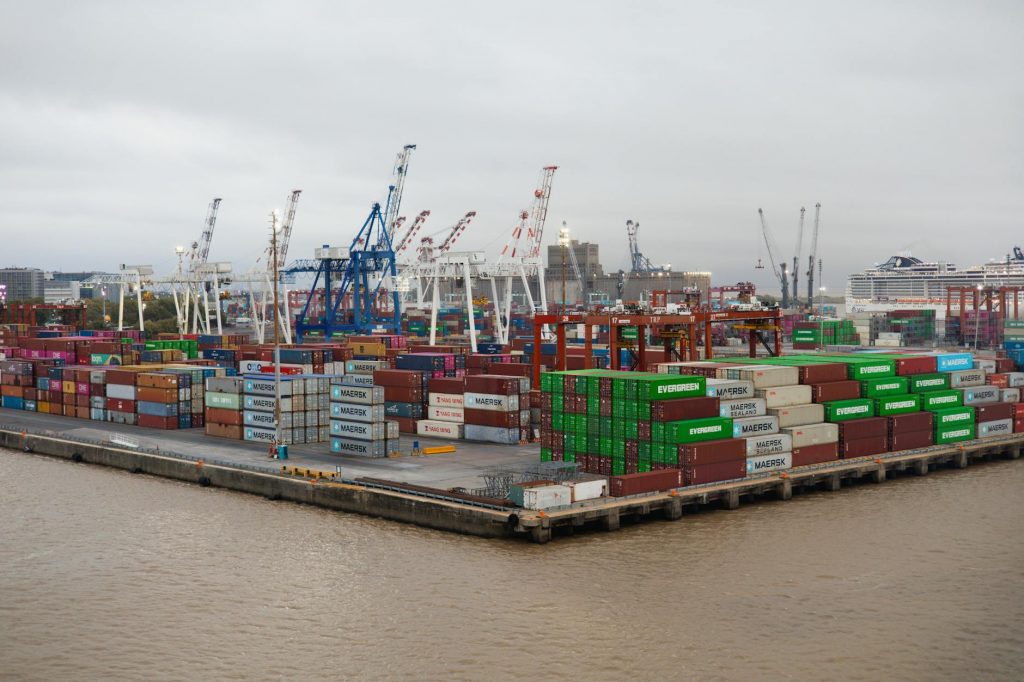
Ports and terminals can become congested when cargo volumes rise, schedules bunch together, or equipment flow slows down. When this happens, containers may wait longer for unloading, pickup, transfer, or onward movement. Congestion can affect both ocean and inland operations and may also ripple into trucking and warehousing schedules.
4. Carrier schedule changes and rolled cargo
Carriers sometimes change schedules, skip port calls, or move booked cargo to a later sailing or flight. In ocean freight, this can happen when space tightens or operations shift. In air freight, cargo may be delayed if uplift is limited or priority is given to other loads. This is one reason why strong booking coordination and realistic transit expectations matter.
5. Poor handoffs between parties
International shipments often involve multiple handoffs between shipper, freight forwarder, carrier, customs agents, truckers, terminals, and consignees. Delays can happen when one party does not receive the right information at the right time. A missed pickup instruction, incomplete release process, or unconfirmed arrival step can create extra dwell time.
6. Packaging, labeling, or cargo readiness issues
Sometimes the delay begins before the shipment even leaves origin. Cargo may not be packed to specification, labels may be incomplete, or the shipment may not be ready when pickup is scheduled. These issues may sound small, but they can lead to missed bookings, rework, and added coordination time.
How businesses can reduce delay risk
No company can eliminate every delay, but many problems can be reduced with better preparation. Clear documentation, earlier booking, realistic transit planning, and stronger communication across all shipment parties can make a major difference. Working with a freight forwarder that helps manage documents, milestones, and exceptions can also lower avoidable risk.
- Check all shipping documents before cargo moves
- Plan for customs review and not only ideal transit time
- Book early during busy periods
- Make sure cargo is packed and ready on schedule
Frequently asked questions
What is the most common reason international shipments get delayed?
Documentation issues are one of the most common reasons, followed by customs checks, congestion, and carrier schedule changes.
Can a freight forwarder help prevent delays?
Yes. A freight forwarder can help coordinate documents, bookings, milestones, and exception handling, which reduces the chance of avoidable delays.
Do customs delays mean something is wrong with the shipment?
Not always. Customs delays can happen because of routine review, product sensitivity, compliance checks, or the need for additional clarification.