In one line: European freight forwarders win more of the right quotes when they can find verified overseas partners quickly, confirm lane fit early, and standardize partner checks before pricing a shipment.
That matters even more now. The European Commission confirmed that from 1 April 2025, road and rail carriers must submit complete Entry Summary Declaration data under ICS2 for goods entering or moving through the EU. Eurostat also reported that in 2022, road freight transport reached 24.9% while maritime remained the largest mode, which is a practical reminder that European forwarders coordinate across several transport handoffs, not just one. In that environment, partner quality shows up directly in quote speed, shipment visibility, and customer confidence.
If your team is still piecing together partner coverage from WhatsApp groups, old email threads, and unverified directories, the issue is not just inefficiency. It is commercial risk. A missed customs requirement, a weak destination handoff, or a slow overseas reply can make your quote look expensive or unreliable before the shipment even moves.
One Globe Alliance was built for that exact gap. You can use the One Globe Alliance home page to understand the platform, review the membership options, browse more articles in the freight forwarding blog, and check the FAQ while you evaluate whether a verified digital network fits your team.
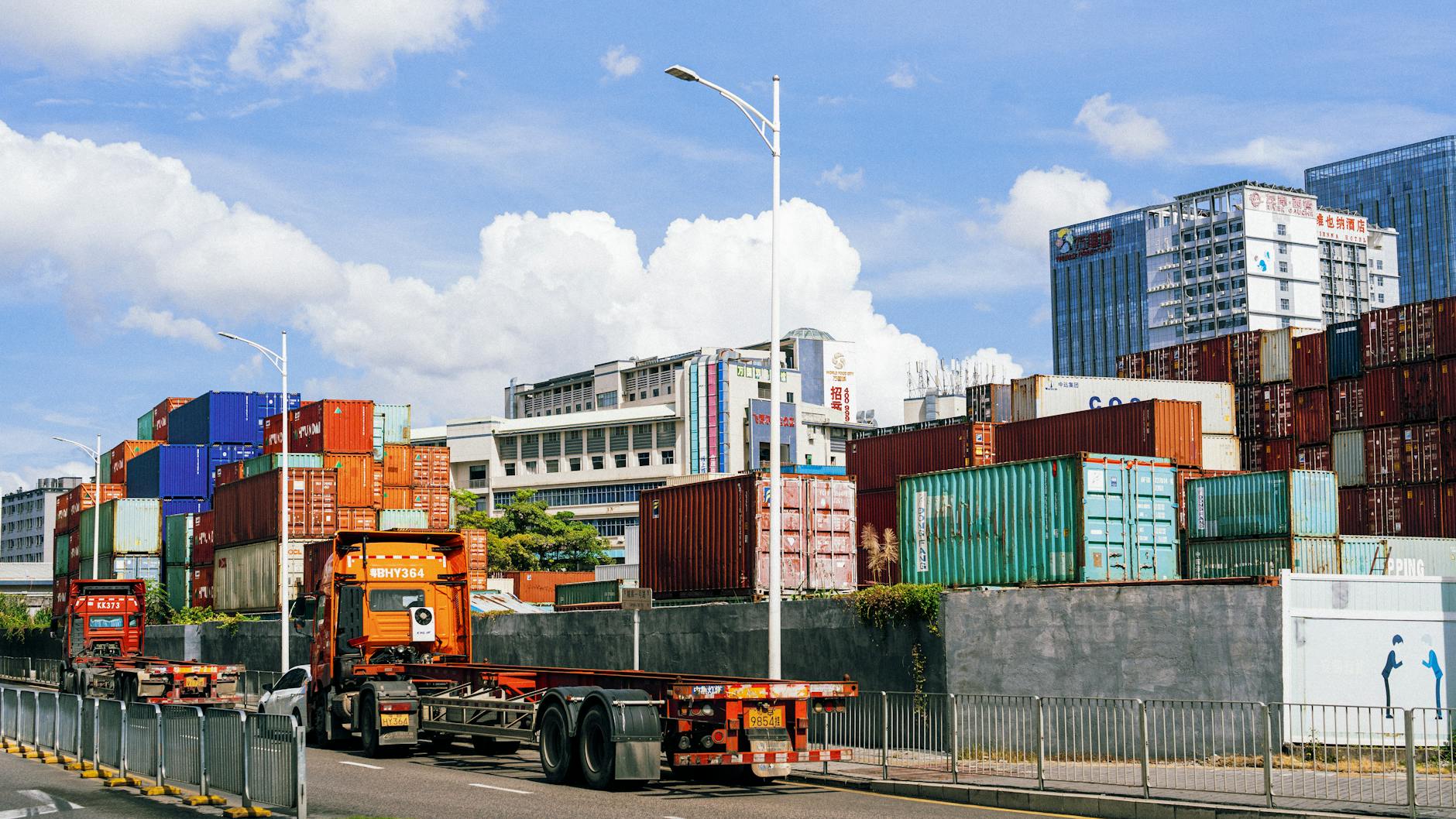
What Europe freight partner discovery should look like in practice
For most independent forwarders, the right process is simple:
- Find a partner that is already verified for credibility and business fit.
- Confirm that the office actually handles your target lane, mode, and cargo profile.
- Check responsiveness before you commit your shipper to a rate.
- Align documents, service expectations, and escalation contacts up front.
- Keep that knowledge inside a repeatable workflow so the next branch or salesperson does not start from zero.
The alternative is familiar: one branch asks around for an agent in Rotterdam, another team needs a UK customs contact, someone forwards an old Gmail thread, and nobody is fully sure whether the partner is active, insured, responsive, or commercially aligned. That is not a discovery process. It is a dependency on luck.
A practical checklist before you send or accept a quote request
| Checkpoint | What to verify | Why it matters |
|---|---|---|
| Lane coverage | Origin, destination, inland reach, and mode capability | A strong airport office does not automatically mean strong road or customs coverage. |
| Commodity fit | General cargo, temperature-sensitive goods, dangerous goods, project cargo, or e-commerce | Partner quality is lane-specific and cargo-specific. |
| Customs readiness | EU import procedures, UK formalities, security filings, and document accuracy | Compliance gaps create delays that destroy margin and credibility. |
| Response time | How quickly the partner answers first contact and quote follow-up | Quote speed affects win rate, especially on repeat shipper tenders. |
| Commercial alignment | Named contacts, escalation path, service scope, and billing expectations | Clear operating expectations prevent friction after the rate is accepted. |
| Reputation | Verification status, network standing, and recent activity | An inactive or lightly screened contact adds risk instead of reducing it. |
Why this is especially important for EU and UK quotes
European forwarding teams often quote across dense, high-frequency trade lanes where customers expect both speed and precision. That creates pressure in three places:
1. Border and compliance complexity has not gone away
Whether the move is intra-EU with downstream handoffs or EU-UK with customs and security requirements, the operating model is tighter than it looks from the outside. The partner you choose must be able to execute the details, not just promise a rate.
2. Multi-modal coordination is normal, not exceptional
Europe is rarely a single-mode story. One shipment may move by truck to port, continue by sea, and finish with another inland handoff. That is why verified partner discovery is not just a sourcing task. It is a service-design task.
3. Customers compare response quality, not just price
A cheap rate with unclear destination handling is not a competitive quote. A slightly higher rate with verified coverage, named contacts, and faster answer times is often easier for the customer to trust.
Case-style example: Milan to Manchester without guesswork
Imagine a mid-sized forwarder in Italy receives an urgent enquiry for a recurring lane from Milan to Manchester. The sales team can price the first leg quickly, but the quote still depends on confidence in UK handling, customs coordination, and final delivery expectations.
In a manual process, the team might spend hours asking for introductions, chasing old contacts, and comparing incomplete replies. In a verified network workflow, the team can shortlist qualified partners faster, confirm who handles the lane, send a structured request, and quote with fewer unknowns. The commercial benefit is not theoretical. It is shorter turnaround time, fewer internal handoffs, and better client confidence at the moment the decision is being made.
Glossary: the terms that actually matter
Verified freight partner
A partner that has been screened for legitimacy and is easier to validate for operational and commercial fit than an unknown contact from an open list.
Partner discovery
The process of finding, qualifying, and activating an overseas agent or destination office for a specific lane, shipment type, or customer requirement.
Quote readiness
The point at which your team has enough confidence in pricing, coverage, contacts, and process to send a credible offer to the shipper.
What a better workflow looks like inside One Globe Alliance
The biggest improvement is not just access to more names. It is access to a better operating system for partner discovery.
- Search a vetted partner base instead of relying on scattered personal contacts.
- Use one environment for partner discovery, enquiries, quote coordination, and follow-up.
- Give branch teams a common method instead of letting each office improvise.
- Turn strong partner relationships into repeatable commercial momentum.
If you want to compare this against a broader membership evaluation framework, start with Europe Freight Forwarder Network Comparison: Verified Partners, Better Quotes, and Smarter Membership Decisions. If your team is still solving the earlier-stage problem of how to screen unknown contacts before pricing, this related guide is also useful: Global Freight Enquiries: How to Vet New Overseas Partners Before You Quote.
When it makes sense to move from ad hoc search to paid membership
You should seriously consider membership when any of these are true:
- Your team is losing time on every new lane because partner discovery is manual.
- Salespeople are quoting with incomplete confidence in destination execution.
- Multiple branches need the same overseas coverage but are working from different contact lists.
- You want more enquiry flow, not just a larger directory.
- You need a more premium story for shippers who expect faster answers and stronger global reach.
That is the point where a verified digital network becomes more than a convenience. It becomes a commercial tool. If that is where your business is heading, review the One Globe Alliance membership page and decide whether your current process is helping your team move faster or quietly slowing it down.
FAQs
What is the fastest way for a European freight forwarder to qualify a new overseas partner?
Start with a verified directory, then confirm lane fit, commodity handling, customs capability, response-time expectations, and commercial contacts before you quote the shipper.
Why does partner verification matter more on EU and UK trade lanes?
Because documentation, security filings, and border handoffs can change responsibility quickly. A weak partner can turn a good rate into a delayed shipment or a damaged customer relationship.
Can a digital freight network replace relationship building?
No. The best networks accelerate discovery and first contact, but forwarders still need to test responsiveness, align SOPs, and build trust lane by lane.
When should a forwarder move from ad hoc partner search to network membership?
Usually when quote volume is growing, overseas partner checks are consuming too much team time, or branch teams need one consistent way to find and manage verified agents.
Final takeaway
Europe freight partner discovery is not about collecting more contacts. It is about creating a faster, safer path from enquiry to executable quote. The forwarders who do this well combine verified partners, clear workflows, and a digital network that keeps discovery, communication, and follow-up in one place. If your team wants that structure, One Globe Alliance is worth a closer look.